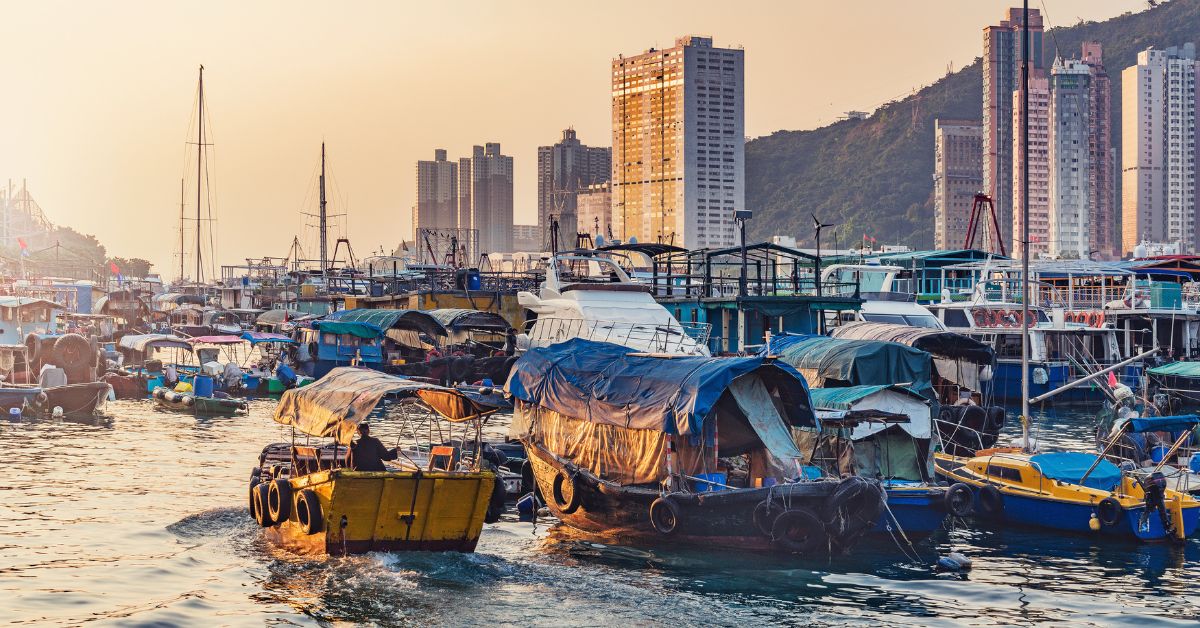
21 Essential Travel Tips for Hong Kong: What to Know Before You Go
Planning your first trip to Hong Kong? You’re in for such an adventure! These 21 travel tips for Hong Kong are exactly what I wish someone had told me before my own trip.
Hong Kong quickly became one of my favorite places in Asia (and I’d say it’s one of the best destinations for solo female travelers too). But I won’t lie — it can feel overwhelming at first. The city is busy, buzzing, and packed with so much to see, do, and eat that it’s hard to know where to start.
That’s why I put this list together. These Hong Kong travel tips cover all the little things I had to figure out the hard way — from visa rules to the best shoes for a long day exploring the top things to do in Hong Kong.
By the time you finish reading, you’ll know how to get around Hong Kong like a pro, where to watch your budget, and even a few Cantonese phrases to impress the locals. Let’s jump into the 21 best tips for Hong Kong so you can enjoy every minute of your trip!
This blog post is all about travel tips for Hong Kong
Table of Contents
This post may contain affiliate links, which means I’ll receive a commission if you purchase through my link, at no extra cost to you. As an Amazon Associate, I earn from qualifying purchases. Thanks so much for supporting the blog—it means a lot!

Before You Go: Travel Tips for Hong Kong
1. Check Visa Requirements and Entry Rules
One of the most important travel tips for Hong Kong is to double-check visa requirements before booking.
The good news? Most travelers don’t need a Hong Kong visa for short stays. Just make sure your passport is valid for at least six months after your trip—Hong Kong immigration is very strict about this.
If you’re planning a quick day trip to Macau, you won’t need a visa there either, but you do need your passport since you’ll pass through immigration. To stay safe, I always check the latest entry rules on a reliable site like iVisa before I travel.
⭐ Not sure if you need a visa for Hong Kong? Find out in seconds on iVisa.

2. Know the Best Time to Visit Hong Kong
One of the first things I wished I knew before visiting Hong Kong was the best time to go. While the city is worth exploring year-round, some months are definitely easier to enjoy.
- Autumn (Oct–Dec) and Spring (Mar–May) are my favorite seasons. You’ll get cooler weather, clear skies, and perfect conditions for exploring Victoria Peak or wandering local street markets. Honestly, Hong Kong is one of the best fall destinations in Asia.
- Summer (Jun–Sep) is hot, sticky, and also typhoon season. It’s manageable, but I’d plan more indoor time—museums, cafés, and giant shopping malls become lifesavers. Download the free Hong Kong Observatory app so you don’t miss any weather alerts.
- Winter (Jan–Feb) is mild but chilly compared to Singapore’s tropical heat. It’s still great for sightseeing—just bring layers.
No matter when you visit Hong Kong, pack a small umbrella (rain is common) and a light jacket (indoor A/C is freezing!). And if you don’t love crowds, skip Chinese New Year and Golden Week!
📌 Read Next: Singapore or Hong Kong? 10 Key Travel Differences
3. Book Attractions and Tours in Advance
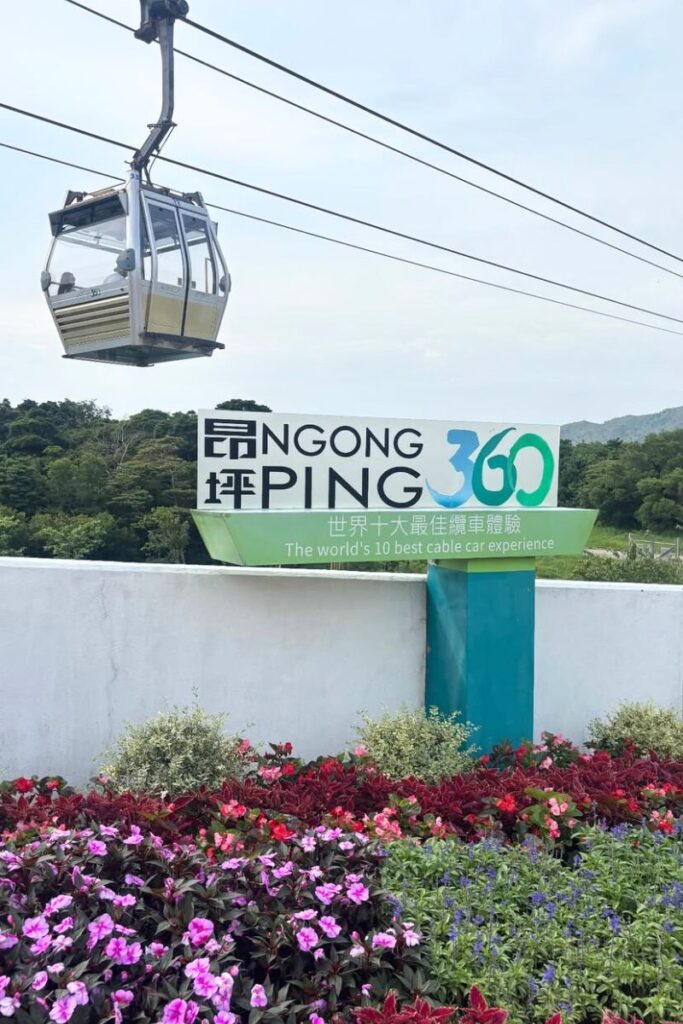
Another key Hong Kong travel tip is to book tickets for popular attractions ahead of time. Spots like Hong Kong Disneyland, Victoria Peak Sky Terrace, and the Ngong Ping 360 cable car often sell out during busy travel seasons.
It’s also smart to pre-book essentials like airport transfers, Wi-Fi devices, Octopus Cards, and hotels if you’re visiting during holidays. You’ll usually get better prices and skip those long ticket lines.
⭐ Bonus Tip: If it’s your first trip, I highly recommend staying at The Upper House or Four Seasons Hong Kong. Both combine comfort, luxury, and incredible skyline views.

4. Protect Your Digital Life With a VPN
A practical thing to know before visiting Hong Kong is that while internet access is freer than mainland China, some apps (like TikTok) and sites may not work. Since you’ll probably connect to public Wi-Fi in hotels, airports, and cafés, using a VPN is the safest way to protect your personal data.
I use Surfshark VPN myself—it works on unlimited devices, keeps my logins secure, and lets me access my apps without issues. Honestly, I never open my bank or booking apps without switching it on.

5. Pack a Type G Power Adapter
One of the easiest-to-miss but most practical Hong Kong travel tips is packing the right adapter. Hong Kong uses British-style Type G plugs (three rectangular pins) and 220V voltage. If you’re coming from North America, you’ll likely need both an adapter and sometimes a voltage converter.
I always travel with a universal adapter with USB ports. It makes charging multiple devices so much simpler—especially when you’re back at your Hong Kong hotel trying to power up your phone, camera, and portable battery all at once.
📌 Read Next: 10 Best Hotels in Hong Kong for Every Budget
Arrival and Money: First Things to Know in Hong Kong
6. Always Carry Some Cash
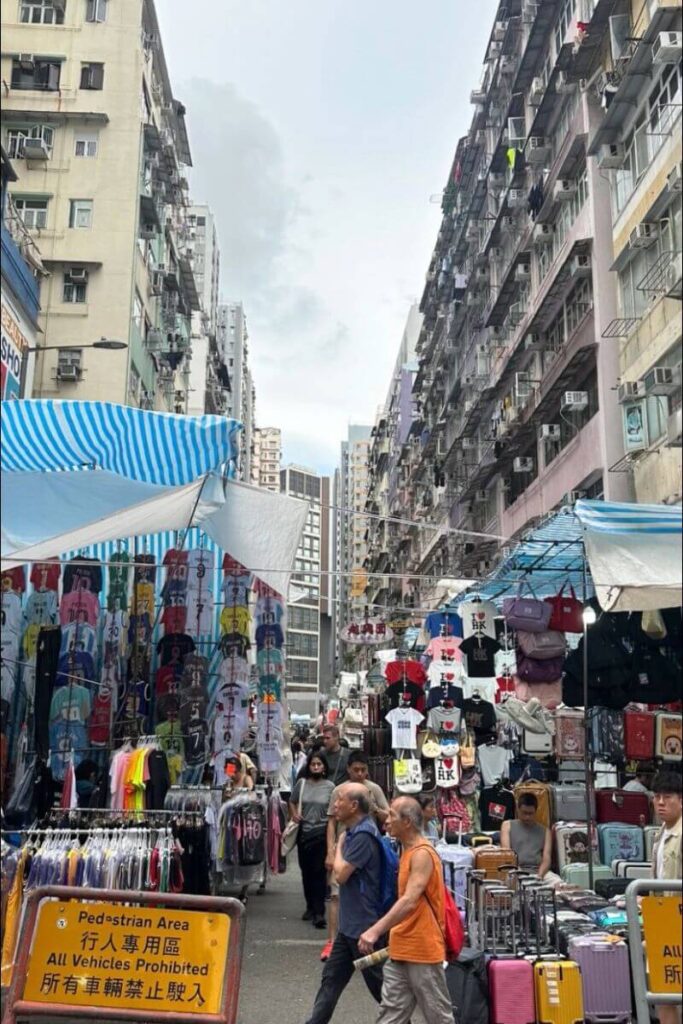
One of the biggest things I wished I knew before visiting Hong Kong is that cash is still king. Credit cards work fine in hotels and malls, but many taxis, noodle shops, and street markets won’t accept them.
Here are a few quick money tips for Hong Kong:
- Exchange rate: Easy to remember — 1 USD ≈ 7.77 HKD (as of Sept 2025).
- Airport ATM: Grab cash right away at the Bank of China ATM in the arrivals hall.
- Best cards for travelers: I use Revolut for no-fee withdrawals. Wise and the Charles Schwab debit card are also great picks.
- Currency app: Download the XE Currency Converter app — it works offline and makes quick conversions a breeze.
💡 If you want more advice, I’ve written a full guide on how to manage money while traveling Southeast Asia. It’s written for Southeast Asia, but the tips work perfectly for Hong Kong too.
7. Stay Connected With a SIM or eSIM
Staying online is essential in Hong Kong. From Google Maps to making WhatsApp reservations, having reliable data makes everything so much smoother.
While you can buy a prepaid SIM at the airport (many travelers like the SO SIM), I personally recommend using an Airalo eSIM. It’s the easiest and most stress-free option:
- Buy it online before your trip
- Activate it as soon as you land
- No waiting in airport lines or fiddling with tiny SIM cards
I’ve used Airalo across multiple countries, and it always works great. Plus, you can top up instantly in the app if you need more data. Honestly, it’s one of the best Hong Kong travel tips I can share for staying connected.
8. Get an Octopus Card for Easy Payments
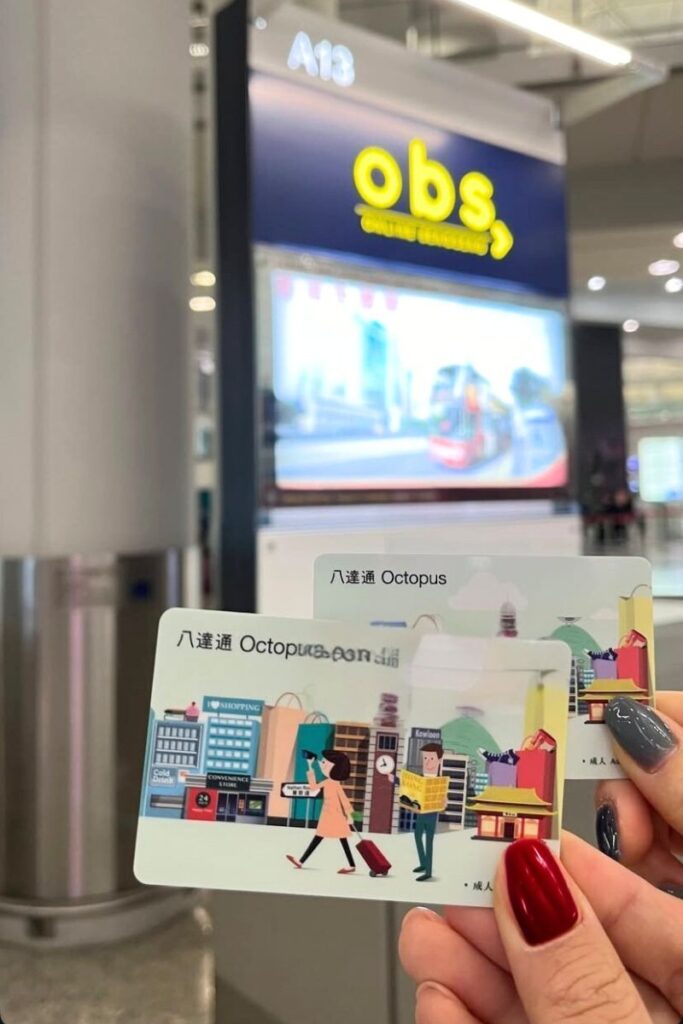
If I could give only one travel tip for Hong Kong, it would be this: get yourself an Octopus Card. It’s hands-down the easiest way to get around the city.
You can use it on the MTR, buses, ferries, trams, some taxis, and even in convenience stores or cafés. Basically, if locals are paying, chances are they’re tapping their Octopus.
Tourists can either:
- Buy a physical card at the airport, any MTR station, or a convenience store.
- Download the Octopus for Tourists app (iPhone/Huawei) and set up a Mobile Octopus to top up directly with your credit card.
💡 Bonus Tip: It’s quick, cash-free, and super convenient. Best part? You can even get a refund on your balance when you leave. Honestly, this is one of the most practical things to know before moving to Hong Kong.
Transportation Travel Tips for Hong Kong
9. Take the Airport Express for a Stress-Free Arrival
One of the best travel tips for Hong Kong is to skip the stress of airport taxis and hop on the Airport Express instead. Trains leave every 10 minutes and take just 24 minutes to reach Central, with stops at Tsing Yi, Kowloon, and Hong Kong Station. They’re clean, fast, and even have free Wi-Fi.
A one-way ticket costs HK$110 (US$14). You can book in advance, or just use your Octopus Card when you land—the fare even includes a free MTR connection to your final stop.
Other ways to get from Hong Kong airport to the city:
- Cityflyer/A21 bus – budget-friendly and comfortable.
- Taxi or Uber – convenient if you have luggage.
- Private transfer – best for groups or anyone who wants a driver waiting at arrivals.
💡 Bonus Tip: Some airlines offer In-Town Check-In Services at Kowloon or Hong Kong stations. You can check in bags hours before your flight and explore the city stress-free.
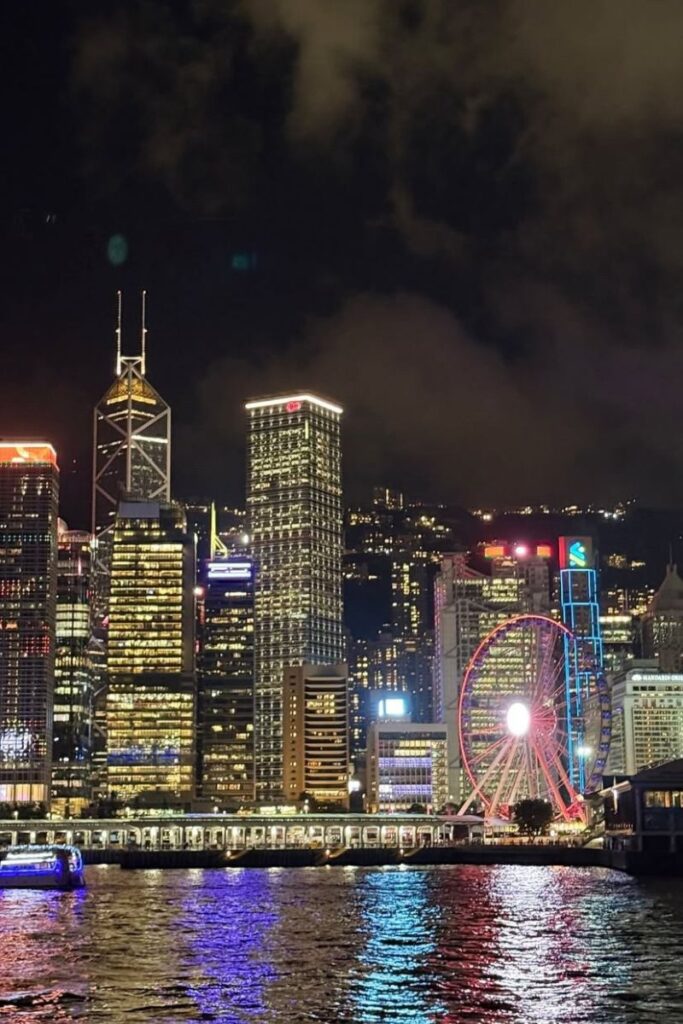
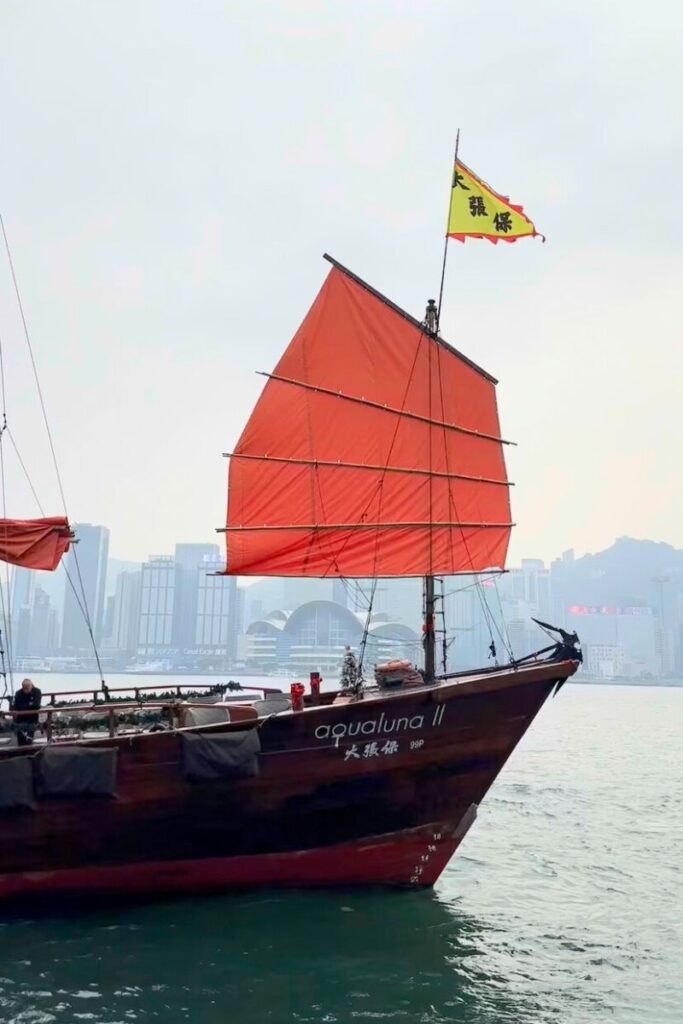
10. Ride the Star Ferry Across Victoria Harbour
One of the most popular things to do in Hong Kong is hopping on the Star Ferry across Victoria Harbour. For less than €0.50, you’ll enjoy unbeatable skyline views that feel like a million-dollar experience.
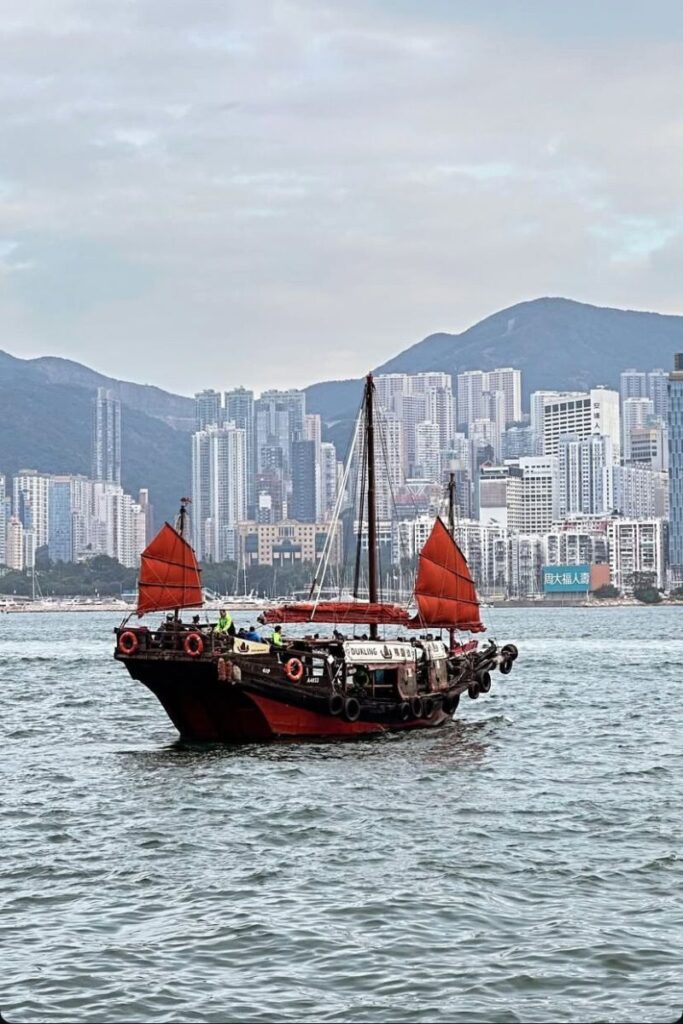
For something more unique, I recommend booking an Aqua Luna evening sail. This traditional red-sail junk boat drifts across the harbor at sunset with cocktails, cozy seating, and a perfect view of the Symphony of Lights.
The light show isn’t as famous as Singapore’s Gardens by the Bay, but it’s still free and definitely one of those things I wished I knew before visiting Hong Kong.
👉 Book Now: Reserve your Aqua Luna ferry ride today
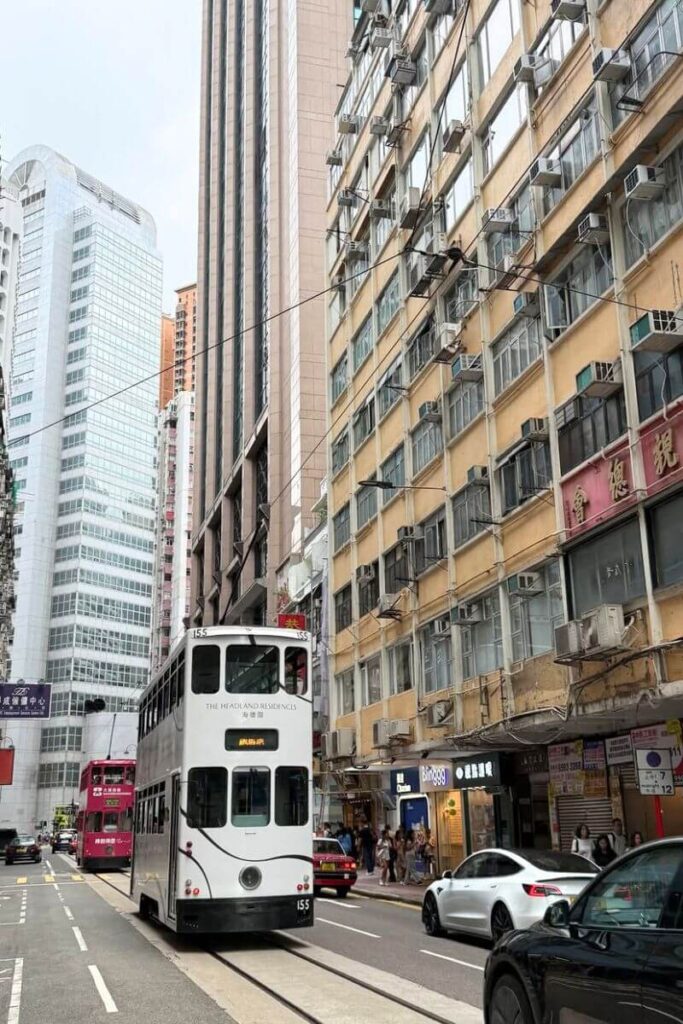
11. Hop on a Historic Ding Ding Tram
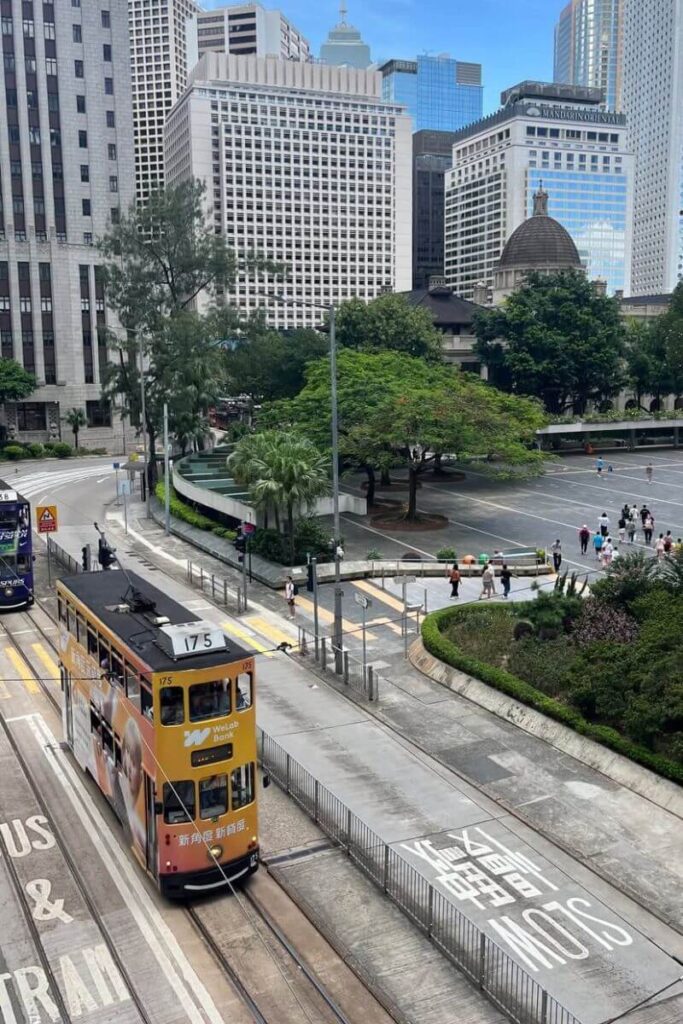
For a fun, budget-friendly way to explore, one of my favorite Hong Kong travel tips is to ride the Ding Ding tram. Locals have been using these double-decker trams since 1904, and they’re still one of the cheapest ways to see the city.
Board at the back, grab an upstairs seat if you can, and tap your Octopus Card when you exit at the front. The ride is slow but scenic—perfect for soaking up street life on Hong Kong Island.
💡 Bonus Tip: While the Ding Ding is great for sightseeing, the MTR is the fastest and most practical way to get around Hong Kong
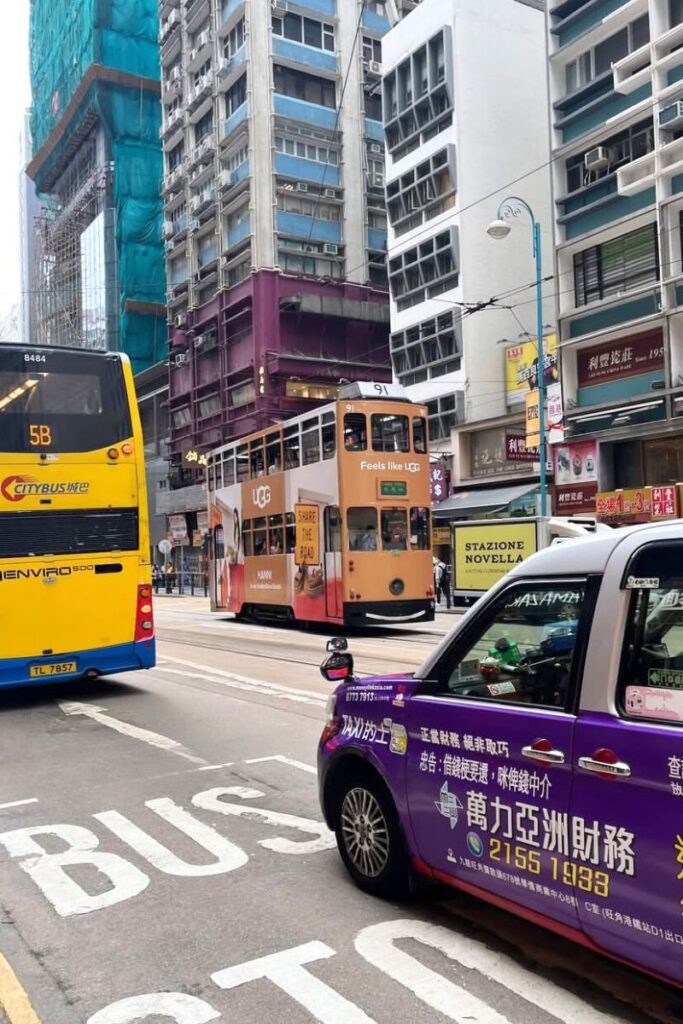
12. Know When to Use Uber vs Taxis in Hong Kong
Taxis are everywhere, but one of the most practical travel tips for Hong Kong is that they can be pricey, and communication may be tricky if you don’t speak Cantonese. Always check that the meter is running, and stick to the official red taxis within the city.
Personally, I prefer Uber in Hong Kong. It’s often cheaper, you pay directly through the app, and there’s no language barrier. If you’re traveling on a budget, Uber Pool is a great way to save even more.
💡 Bonus Tip: While Uber is super convenient in Hong Kong, it doesn’t operate in Singapore. If you’re planning a trip there too, read my full guide on Alternatives to Uber in Singapore to see the best ways to get around.
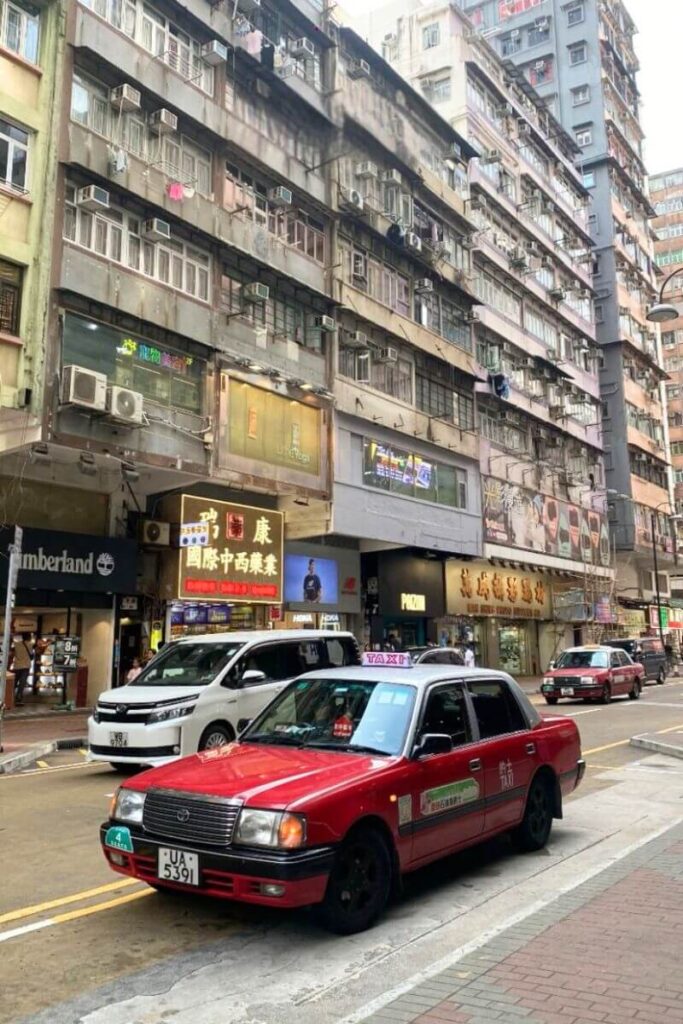
Safety, Budget & Cultural Travel Advice for Hong Kong
13. Stay Safe and Street-Smart
One of the most reassuring things to know before visiting Hong Kong is that it’s one of the safest cities in the world. Still, it’s always smart to stay alert in crowded places like night markets or MTR stations where pickpocketing can happen.
I always keep my bag zipped and in front of me. You might also see people dressed as monks offering bracelets or asking for donations—this is a common scam, so just smile and walk away.
For peace of mind, I never travel without insurance. I use SafetyWing travel insurance because it’s affordable, flexible, and covers both health emergencies and travel mishaps—perfect for solo trips, digital nomads, or even honeymoons. You can even buy it while abroad!
👉 Check out SafetyWing here and get covered before your Hong Kong adventure.

14. Follow Budget Travel Tips for Hong Kong
Here’s one of the most practical Hong Kong travel tips: budget carefully. The city isn’t cheap, but with a few smart choices, you can stretch your money without missing out.
My favorite money-saving tips for Hong Kong:
- Eat at cha chaan tengs (local diners) for affordable, authentic meals.
- Use your Octopus Card instead of buying single tickets.
- Grab a Klook Pass Hong Kong for huge savings on top attractions like Disneyland, the Peak Tram, and the Ngong Ping 360 cable car. You can bundle multiple activities into one pass and save up to 40%.
- Stay in Kowloon or Mong Kok for cheaper hotels than Central.
- Take advantage of free spots like street markets, temples, and parks.
💡 Bonus Tip: If you’re planning to shop in Hong Kong’s markets, don’t miss my guide on how to haggle while traveling. It’s full of tricks I use to score the best deals—and trust me, they really work!
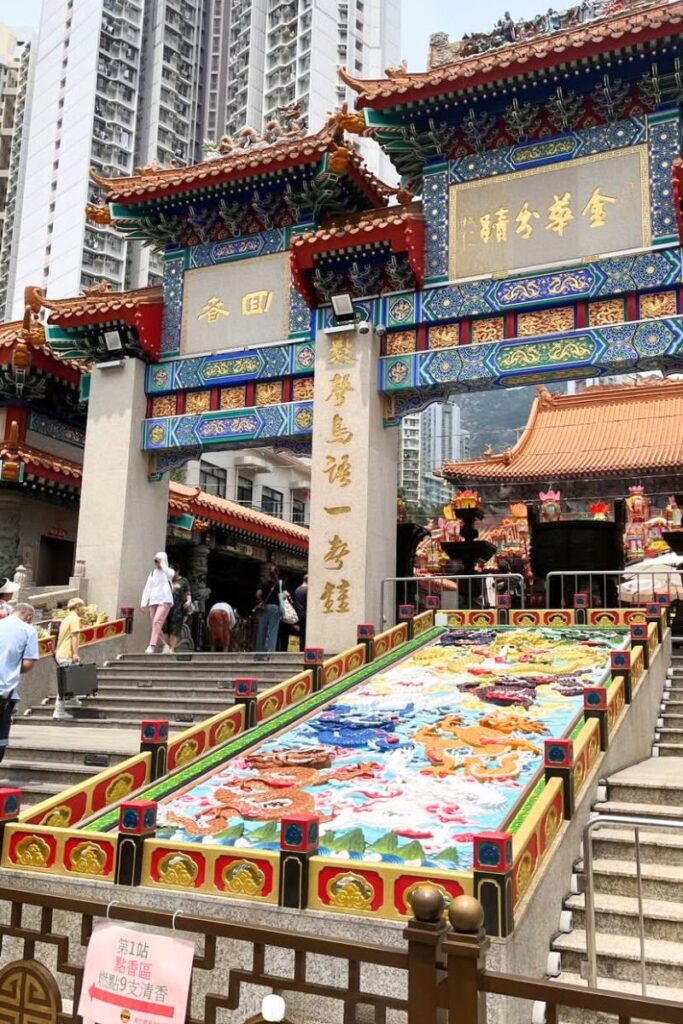
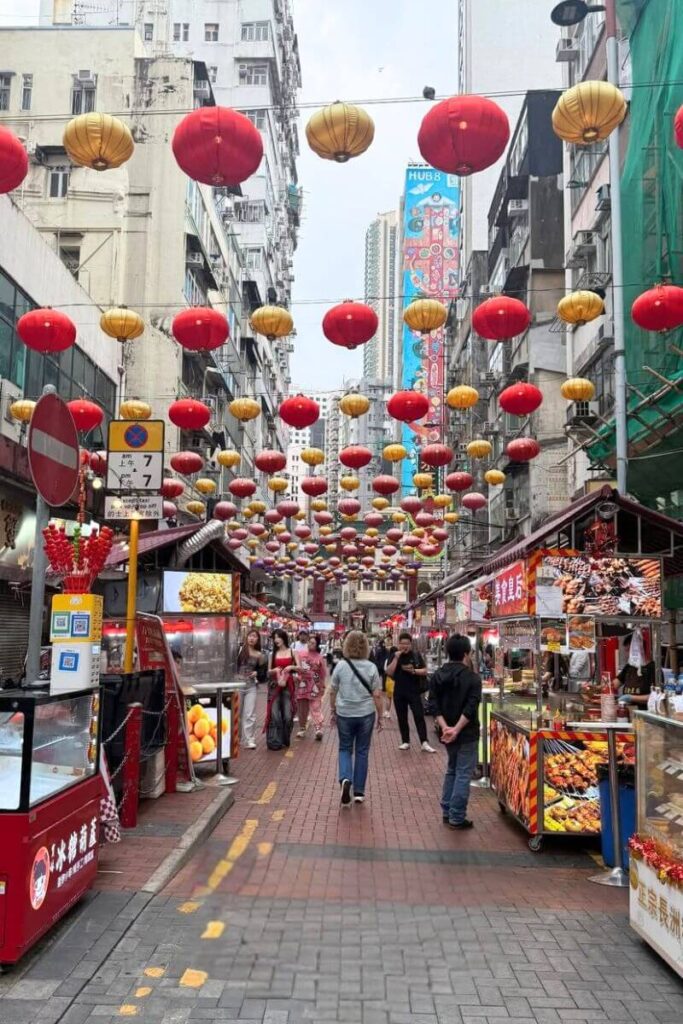
15. Wear Comfortable Walking Shoes (You’ll Need Them!)
One of the most important pieces of travel advice for Hong Kong is to be ready for a lot of walking. The city is full of steep streets, endless stairs, and hilly neighborhoods that can catch first-time visitors by surprise.
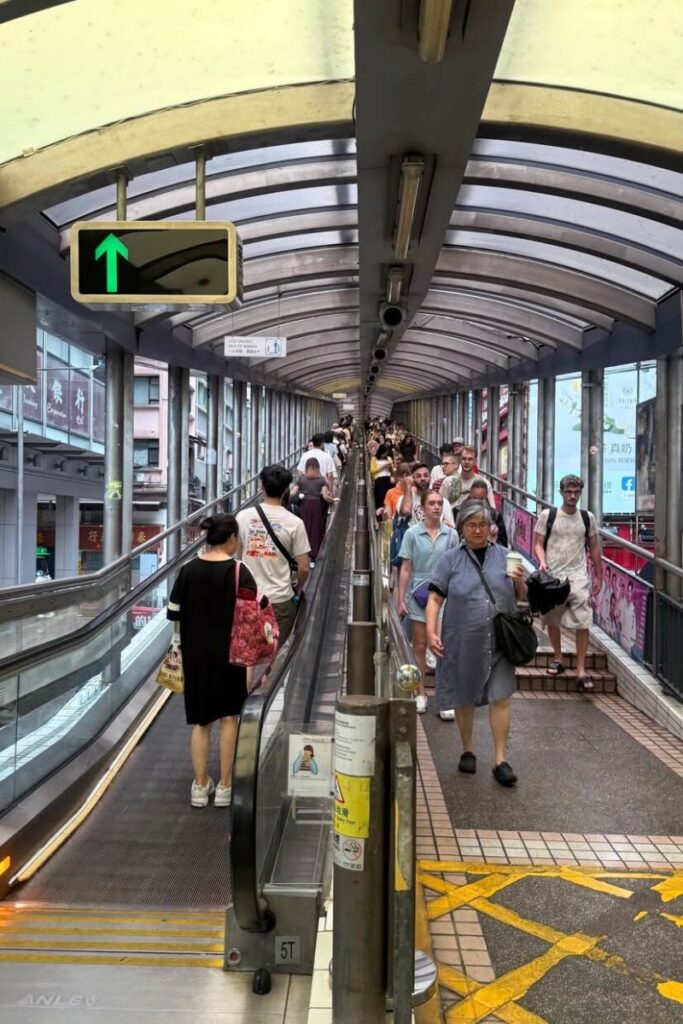
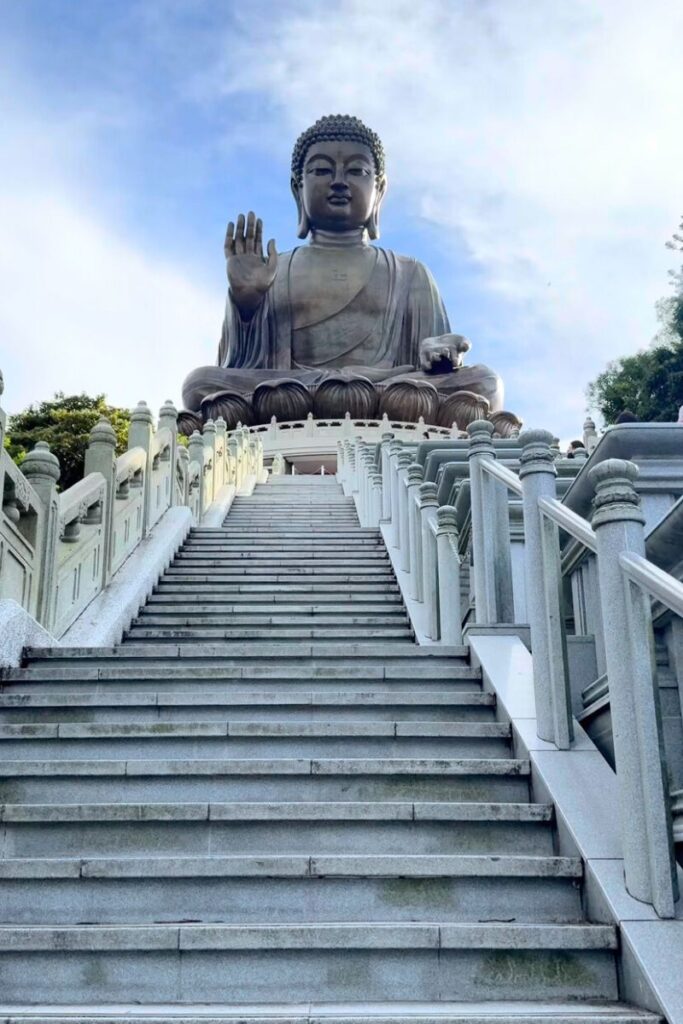
Even with the Central escalators, you’ll still rack up thousands of steps—whether it’s the climb to Victoria Peak, the long staircase to the Big Buddha at Ngong Ping, or just exploring hilly Central.
If you’re visiting Hong Kong in winter, sightseeing is extra enjoyable with the cooler weather—but you’ll still want sturdy sneakers or sandals with good support. Trust me, your feet will thank you after a full day out.
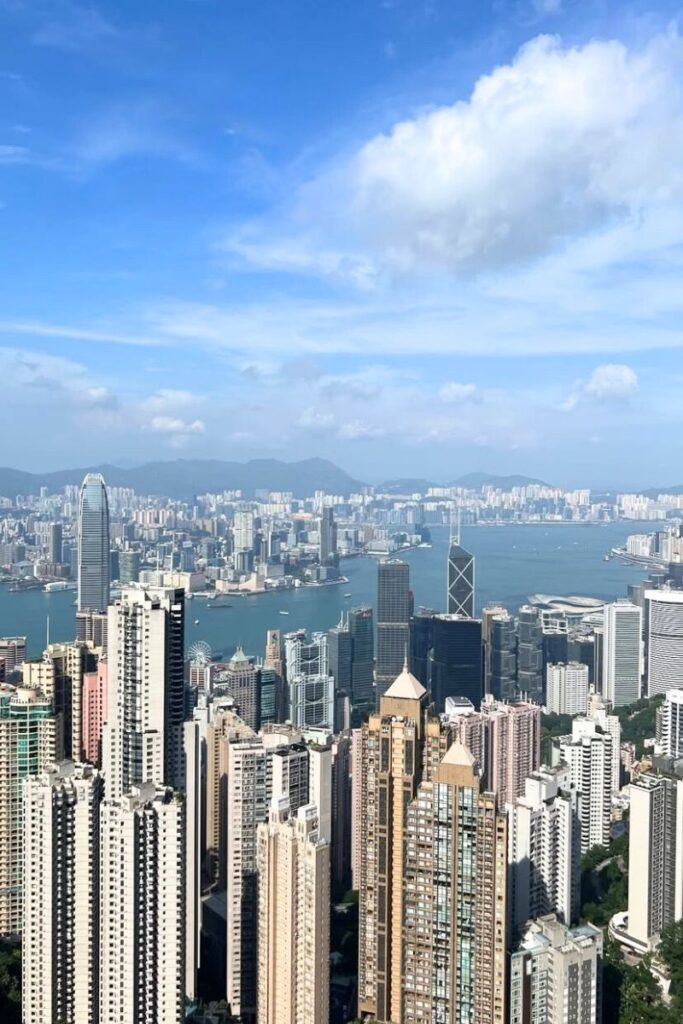
16. Learn a Few Simple Cantonese Phrases
You don’t need to speak Cantonese to get around—English is widely understood—but one of the most underrated travel tips for Hong Kong is to learn a few simple local phrases. It makes interactions easier and shows respect for the culture.
Start with “nei hou” (hello) when greeting someone and “mm goy” (thank you) when a shop assistant or waiter helps you. You’ll also hear “jo san” (good morning) and “sai joi” (goodbye). Even if your pronunciation isn’t perfect, locals really appreciate the effort.
💡 Bonus Tip: I use Google Lens to translate menus and signs on the go—it works instantly with your camera. And I always keep my Hong Kong hotel address written in Chinese characters, which is a lifesaver when taking taxis.
17. Understand Hong Kong’s Political Status
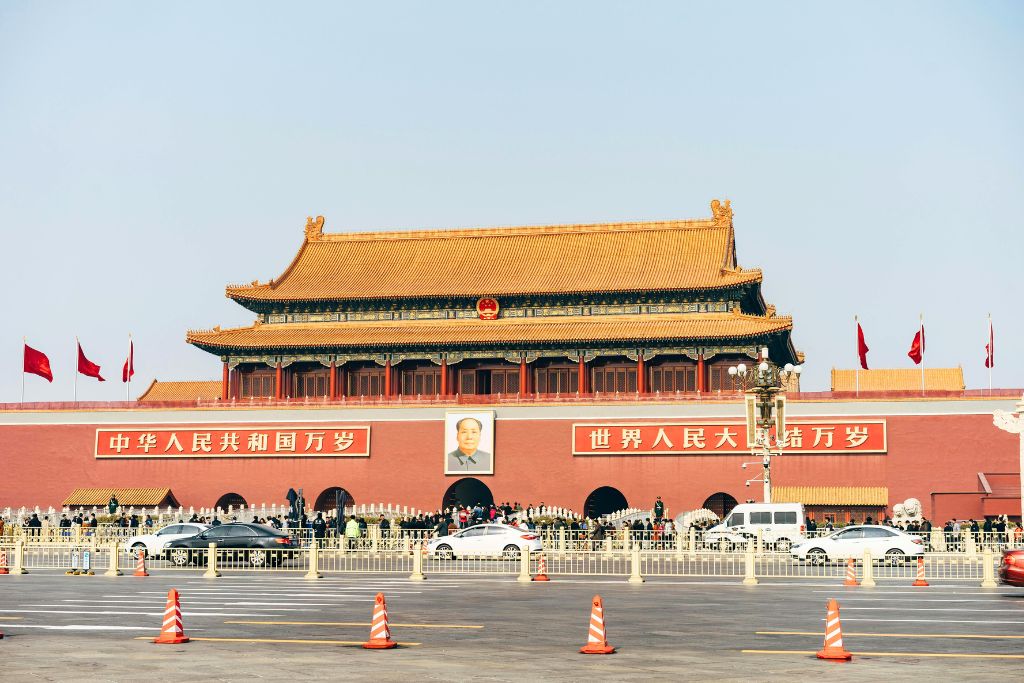
One of the most common things to know before visiting Hong Kong is whether it’s part of China. The simple answer is yes—but the reality is a bit more complex.
Hong Kong was under British rule from 1842 until it returned to China in 1997, becoming the Hong Kong Special Administrative Region (HKSAR). Thanks to the “one country, two systems” policy, it has its own currency, legal system, and border controls.
For travelers, that means if you plan to visit both Hong Kong and mainland China, you’ll go through immigration and may need separate visas. Culturally, Hong Kong shares a lot with nearby Guangzhou, but the city’s mix of East-meets-West makes it completely unique.
💡 Bonus Tip: Hong Kong and Singapore are often compared, but they’re actually very different places. If you want to dive deeper, check out my guide: Hong Kong vs Singapore: What’s the Difference?
Local Experiences & Tourist Tips for Hong Kong
18. Discover the Best Hiking Trails in Hong Kong
One of the most surprising things to know before going to Hong Kong is just how much green space there is beyond the skyscrapers. The city is packed with hiking trails, and most are easy to reach by public transport.
Here are three of my favorites:
- Dragon’s Back Trail – Famous for sweeping coastal views. It’s moderately easy and perfect for a half-day trip. You can go solo or book a guided tour if you’d rather not worry about directions.
- Jardine’s Lookout – A short but rewarding hike with stunning views of Victoria Harbour and Kowloon. Perfect if you’re short on time.
- Victoria Peak – Skip the tram and hike up (or down) instead. The shaded trails are quieter and offer gorgeous city views along the way.
💡 Bonus Tip: Bring sturdy shoes, plenty of water, and sunscreen. I also recommend downloading the MyMapHK app for reliable trail maps.

19. Don’t Miss the Big Buddha at Ngong Ping
The Big Buddha (Tian Tan Buddha) is one of the most iconic landmarks in the city—and no list of Hong Kong travel tips would be complete without it.
To get there, ride the Ngong Ping 360 cable car from Tung Chung. The 25-minute journey gives you stunning views over Lantau Island, the South China Sea, and even the airport.
At the top, climb the 268 steps to the Buddha (yes, it’s a workout, but so worth it!) and explore the peaceful Po Lin Monastery nearby. You’ll also find Ngong Ping Village, with cultural exhibitions, shops, and restaurants—perfect for a short break before or after your climb.
✨ Want to make it easy? Check out this Lantau Island Day Trip with Big Buddha & Dolphin Watching. It combines the Buddha, the monastery, and a dolphin-watching cruise into one unforgettable Hong Kong experience.
20. Plan Easy Day Trips from Hong Kong
One of my favorite travel tips for Hong Kong is to plan at least one day trip. Thanks to the city’s excellent transport system, it’s super easy to escape the urban chaos for a completely different vibe.
Here are my top picks:
- Macau – Just a short ferry ride away, Macau mixes Portuguese streets, colorful temples, and glitzy casinos. Check out this Macau Sightseeing Day Trip for an easy way to hit the highlights.
- Outlying Islands – For a slower pace, hop a ferry to Cheung Chau for beaches and seafood, or head to Lamma Island for easy hiking and laid-back island vibes.
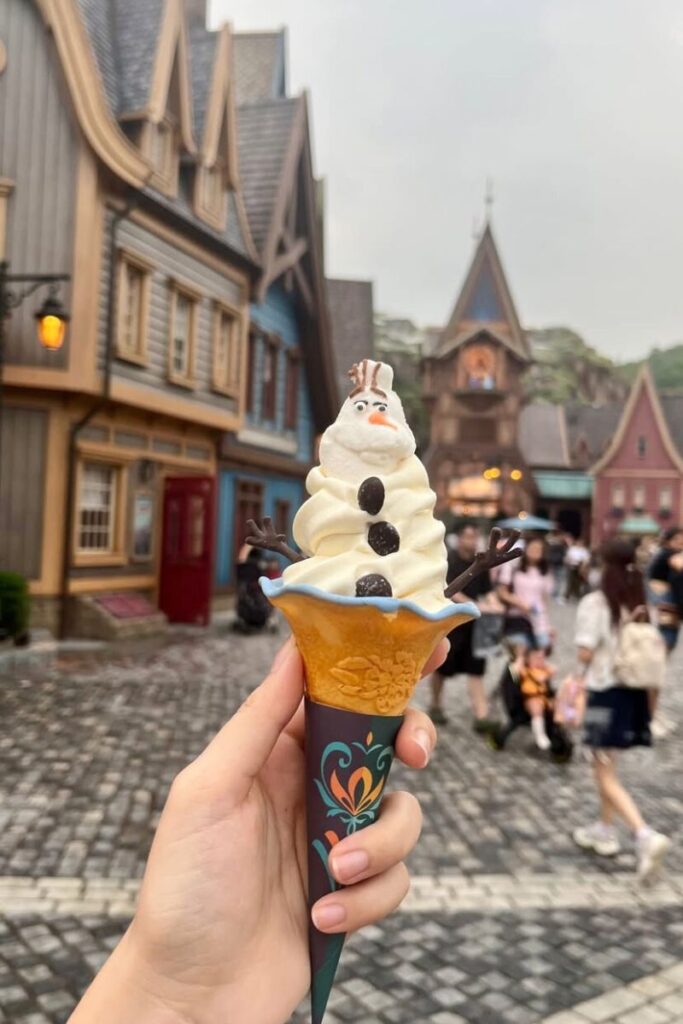
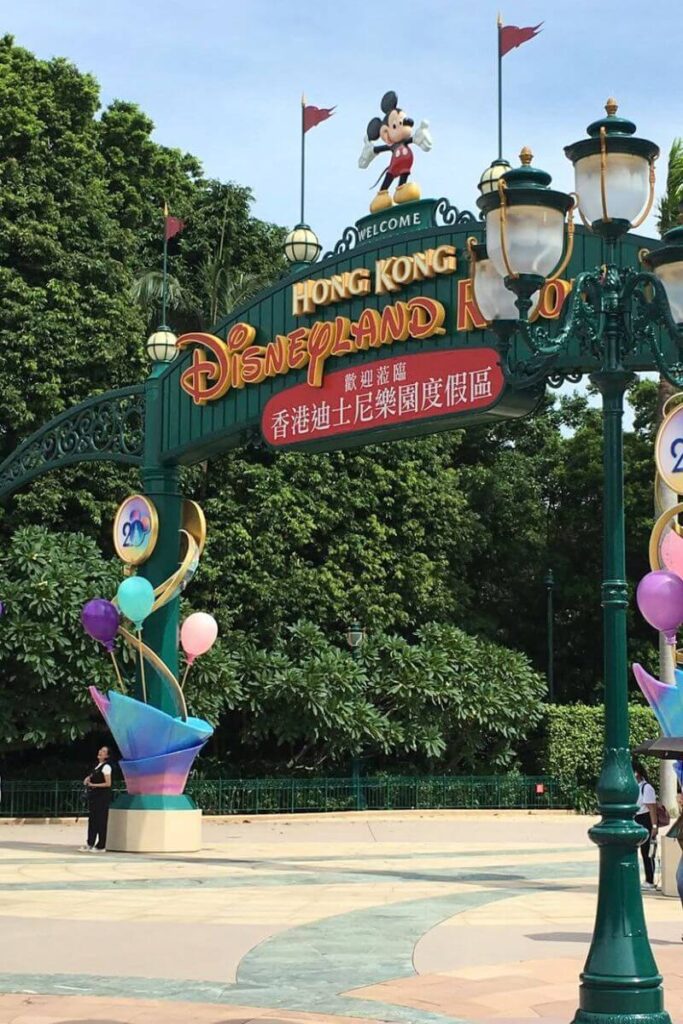
- Disneyland or Ocean Park – Ideal if you’re traveling with kids (or just young at heart!). Hong Kong Disneyland is smaller than the U.S. parks but still packed with magic, while Ocean Park combines thrill rides, pandas, and stunning harbor views.
💡 If I had to choose just one? Go for Macau if you want a taste of the “Las Vegas of Asia,” or pick Disneyland if you’re a theme park lover. Honestly, if your schedule allows, do both—it’s worth it!

21. Eat Like a Local: Food Tips for Hong Kong
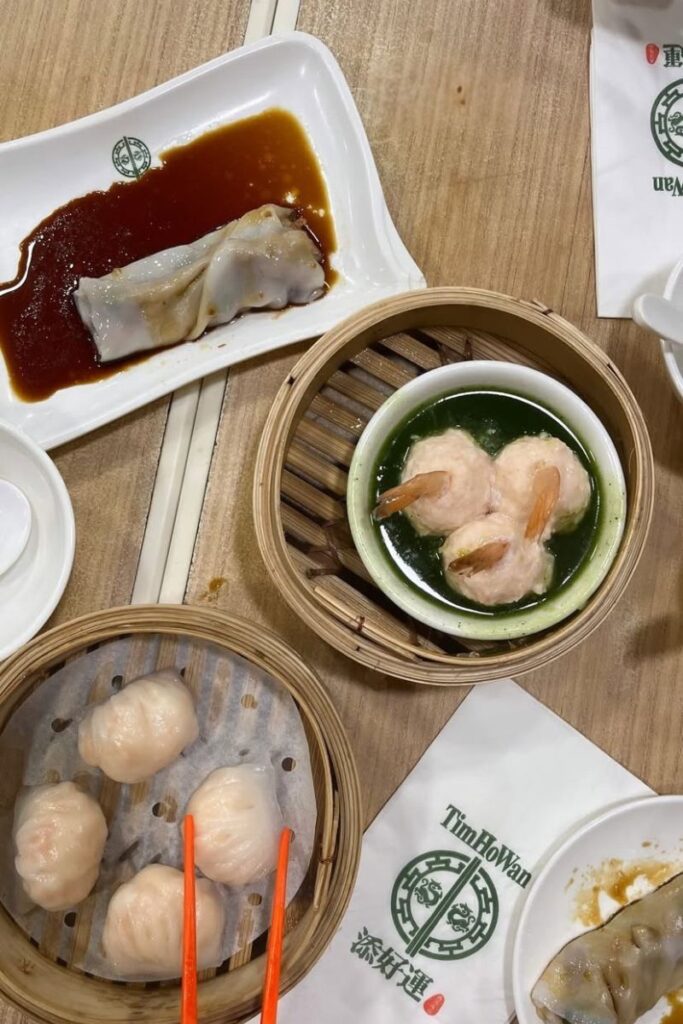
One of the tastiest things I wished I knew before visiting Hong Kong is how incredible the food scene really is. From street stalls to teahouses, eating here is half the adventure.
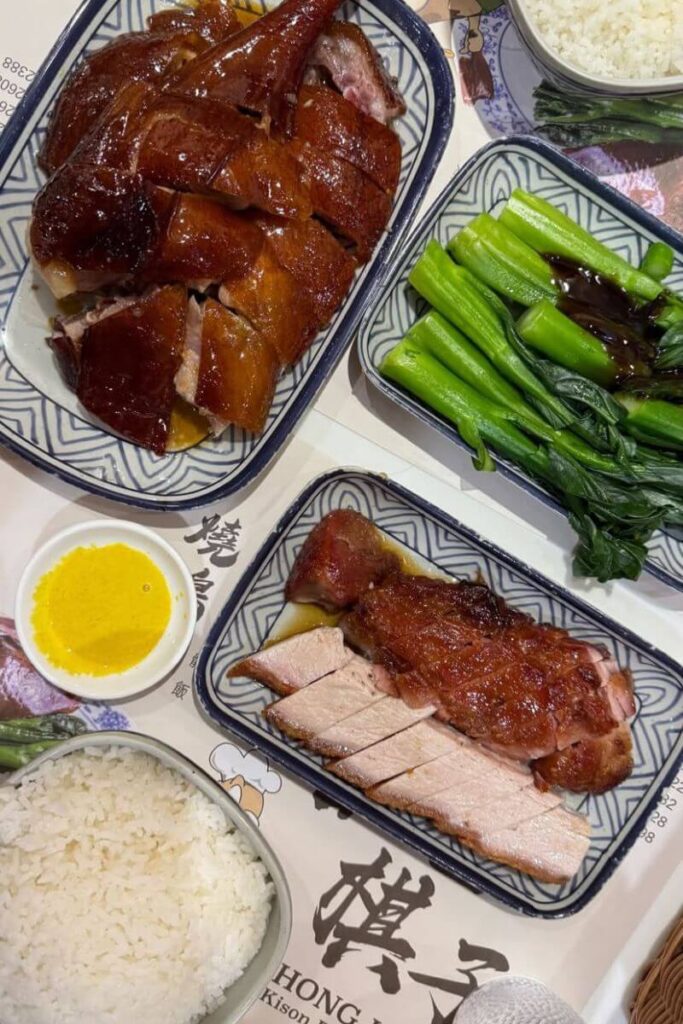
Must-try Hong Kong dishes include dim sum, egg tarts, wonton noodles, and of course, roast goose. But when it comes to food, there are a few important do’s and don’ts in Hong Kong:
- Do expect that hot cup of water at some restaurants—it’s for rinsing your chopsticks, not drinking.
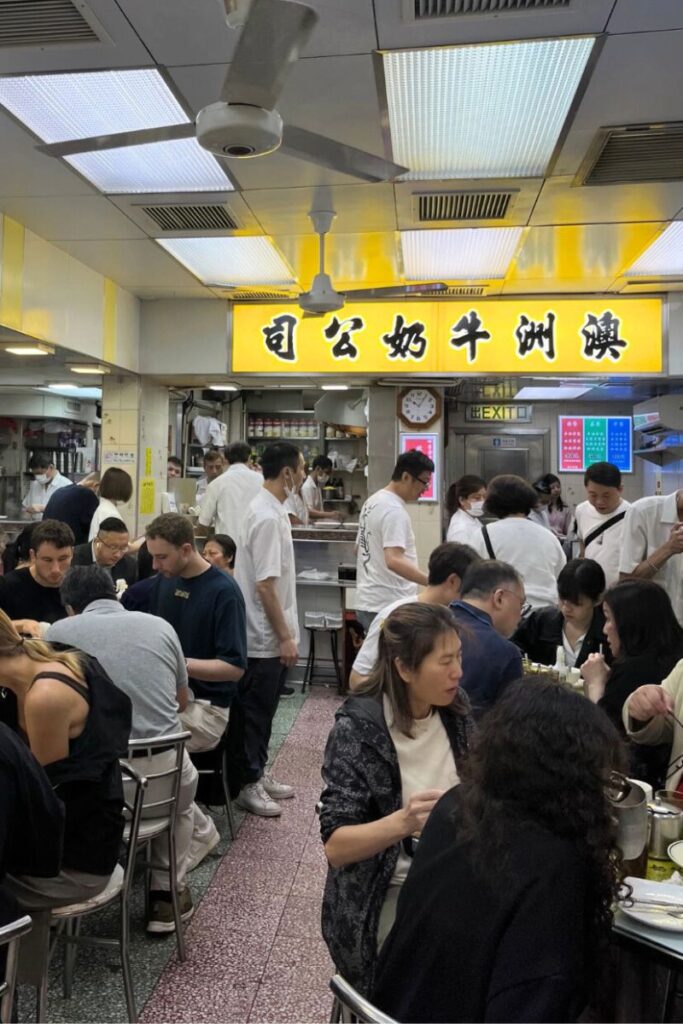
- Don’t be surprised if you’re asked to share a table with strangers—space is limited, and it’s completely normal here.
- Do download the OpenRice app (Hong Kong’s version of Yelp) for reviews and easy reservations, often managed through WhatsApp.
Whether you’re slurping noodles at a street stall or enjoying dim sum in a traditional teahouse, dining in Hong Kong is an unforgettable cultural experience.
📌 Read Next: 8 Ways to Feel Comfortable Eating Alone As a Woman
Choose the Right Area to Stay in Hong Kong
One of the most practical tourist tips for Hong Kong is to choose the right neighborhood for your stay. The city isn’t huge, but hotel rooms are often small and pricey, and each area has its own unique vibe. Here’s a quick guide to the best areas and hotels:
Hong Kong Island – Best for First-Time Visitors & City Vibes
This is where you’ll find Central, Wan Chai, Sheung Wan, and Causeway Bay—perfect for first-timers who want to be in the heart of the action. Think rooftop bars, sleek skyscrapers, and easy access to Victoria Peak.
Top Hotels on Hong Kong Island:
- 🏨 The Upper House (Central) – Luxury with incredible skyline views.
- 🏨 The Hari Hong Kong (Causeway Bay) – Stylish, modern, and perfect for shopping lovers.
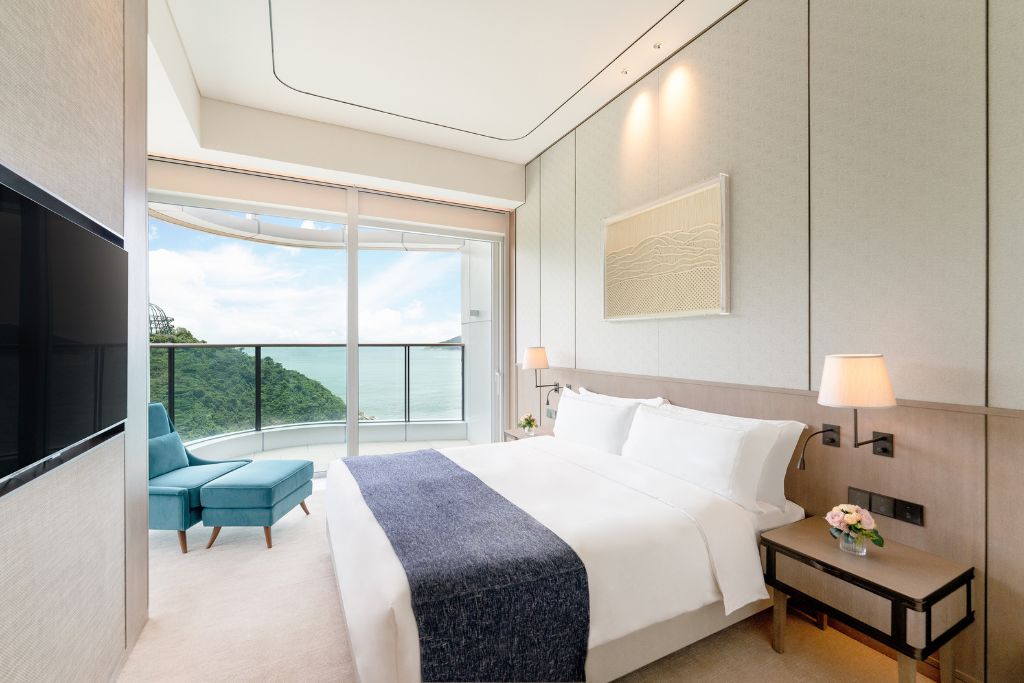
- 🏨 The Fullerton Ocean Park Hotel Hong Kong – A resort-style escape on the south side of the island, perfect for families who want luxury with sea views.
👉 Want more hotel options? Check out my full guide: Where to Stay in Hong Kong for First-Time Visitors

Kowloon – Best for Street Food, Markets & Nightlife
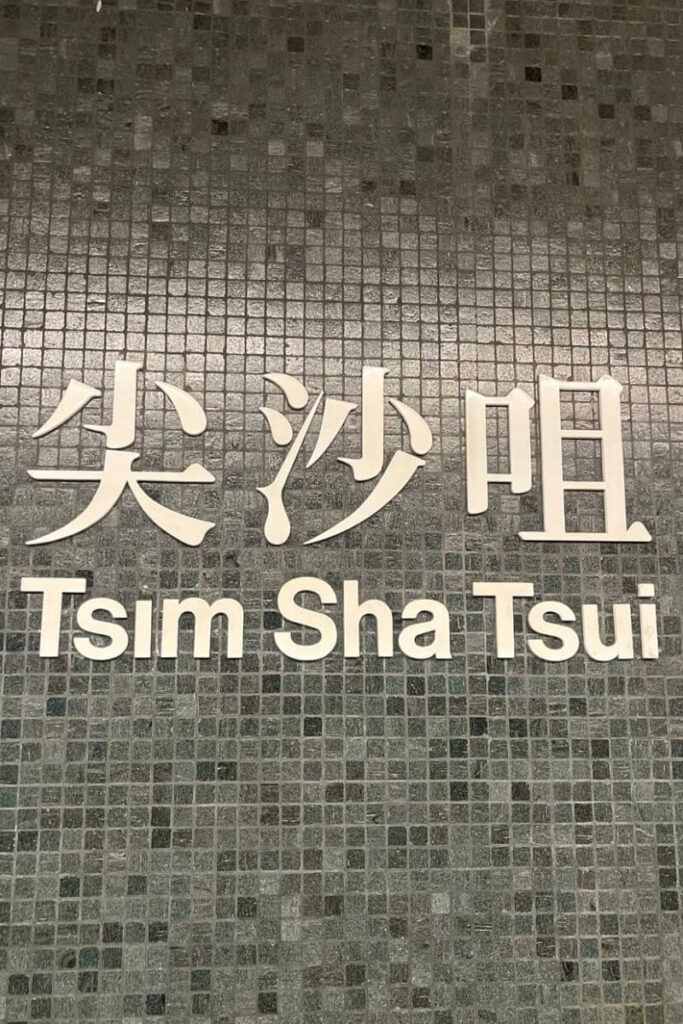
Just across Victoria Harbour, Kowloon is loud, colorful, and full of energy. Stay here for markets, street food, and vibrant nightlife in Mong Kok, Jordan, or Tsim Sha Tsui (TST).
Top Hotels in Kowloon:
- 🏨 Regent Hong Kong (Tsim Sha Tsui) – A newly revamped luxury hotel with stunning harbor views.
- 🏨 Hotel ICON (Tsim Sha Tsui) – Trendy, mid-range with a rooftop pool and excellent dining.
- 🏨 The Mahjong Hostel (Kowloon) – Budget-friendly and social, perfect for backpackers.
Lantau Island – Best for Families & Disney Lovers
If you’re visiting Hong Kong with kids, Lantau Island is the best place to stay. It’s home to the Big Buddha, Ngong Ping Village, and most importantly, Hong Kong Disneyland.
Staying at the Hong Kong Disneyland Hotel means you can enjoy the park to the fullest, with themed rooms, magical dining experiences, and easy access to the rides and shows.
💡 Bonus Tip: If you’re traveling during high season (like Golden Week, Christmas, or Chinese New Year), book your hotel well in advance. Accommodation is limited, and the best places sell out quickly.
🧳 My Hong Kong Travel Essentials
These are the exact tools I used during my Hong Kong trip—they helped me stay connected, save money, and make the most of my time 🇭🇰✨
- 🛡️ SafetyWing Travel Insurance – Affordable, flexible coverage that works for short city breaks or longer Asia trips. A must for peace of mind.
- 📶 Airalo eSIM – No roaming fees or SIM card lines. I had data the second I landed at Hong Kong International, perfect for using Google Maps and translation apps.
- 🔐 Surfshark VPN – Kept my data safe on public Wi-Fi in hotels, cafés, and airports. Plus, I could still stream my favorite shows without restrictions.
- 🧾 iVisa – Most travelers don’t need a visa for Hong Kong, but if you do, iVisa makes the process super quick and hassle-free.
- 🏨 Booking.com – My go-to for hotels in Hong Kong, from luxury harbor-view stays to budget-friendly rooms in Mong Kok. Easy booking and reliable reviews.
- 🎟️ Klook – The easiest way to book Hong Kong must-dos like the Peak Tram, Disneyland, or the Aqua Luna cruise—often with skip-the-line tickets and discounts.

FAQs: Quick Travel Tips for Hong Kong Visitors
Got questions before your trip? You’re not alone! Here’s what to know about visiting Hong Kong — quick answers to the things most first-time travelers wonder about.
When visiting Hong Kong, a little etiquette goes a long way. Do queue patiently, smile, and carry some cash for taxis or markets. Don’t eat on the MTR, speak loudly on public transport, or engage with “monks” selling trinkets—a polite “no, thank you” is all you need.
For most travelers, three to four days in Hong Kong is enough to see the highlights—think Victoria Peak, the Big Buddha, and even a quick day trip to Macau or Lantau Island. If you’re into hiking or want to explore the food scene in depth, plan for five days.
You can’t bring illegal drugs, weapons, counterfeit goods, or restricted medications without a valid prescription into Hong Kong. Fresh meat, dairy, and some plants are also banned. To avoid issues at the airport, it’s best to double-check the official Hong Kong customs guidelines before you travel.
Tipping isn’t really expected in Hong Kong. Most restaurants already add a 10% service charge, so there’s no need to leave extra. For taxis, people usually just round up the fare. In small local eateries, dropping a few coins is a nice gesture, but never required.
To enter Hong Kong, you’ll need a passport valid for at least six months and proof of accommodation for immigration. Most travelers don’t need a visa for short visits. Pack smart—bring a SIM or eSIM for data, an Octopus Card for transport, and comfy shoes for those hilly streets.
Final Thoughts: Travel Tips for Hong Kong to Remember
And that’s it—everything you need to know before visiting Hong Kong! Hopefully, these 21 Hong Kong travel tips will make your trip smoother and help you avoid the common first-timer mistakes.
If you’re looking for even more inspiration, don’t miss my full guides: Best Things to Do in Hong Kong and Where to Stay in Hong Kong for First-Time Visitors.
So tell me—what are you most excited to do first in Hong Kong? Will it be dim sum, hiking Dragon’s Back, or a classic ride on the Star Ferry? Let me know in the comments—I’d love to hear!

Other Asia Travel Guides You Might Enjoy:
- Hong Kong vs Singapore: Which City Should You Visit First?
- 25 Epic Things to Do in Singapore (That’ll Blow Your Mind!)
- How to Convince Your Parents to Let You Travel Alone
- 12 Magical Winter Destinations in Asia You’ve Never Considered
- 10 Spookiest Places to Visit for Halloween
Liked these Hong Kong Travel Tips? Pin Them for Later!







That’s such a fantastic and helpful guide! Hong Kong is high on my travel list, and these practical tips make planning a visit so much easier. I love how you’ve covered everything from transportation to local food and even hiking trails — it truly captures the city’s diversity. I’ve been to several places in Asia, but your post reminded me that Hong Kong deserves a full, well-planned trip of its own!
Wow. What a helpful guide. I learned so much from this post. I like how thorough you were and I never carry cash so that is really helpful!!! Hong Kong looks like a great place to visit and see the city.
Such a helpful guide! I would love to visit Hong Kong some day. And I’ve just recently started discovering Asian cities, so I get the “overwhelming” part haha